
In today’s digital age, terms like bandwidth and internet speed are often used interchangeably. While they are closely related, they are not the same. Understanding the difference between bandwidth and speed is essential for optimizing your network, choosing the right internet plan, and ensuring smooth online experiences for streaming, gaming, remote work, and smart home devices.
What Is Bandwidth?
Bandwidth refers to the maximum amount of data that can travel through your internet connection over a given period of time, usually measured in megabits per second (Mbps) or gigabits per second (Gbps). Think of bandwidth as the width of a highway: the wider it is, the more vehicles (data) can travel simultaneously.
- Higher bandwidth allows more devices to use the internet at the same time without slowing down.
- Lower bandwidth can cause network congestion, especially in homes with multiple users and devices.
Bandwidth vs Internet Speed
Although related, bandwidth and internet speed are not identical:
- Bandwidth: Maximum capacity of your internet connection
- Speed: Actual rate at which data is transferred at any given moment
For example, you might have a bandwidth of 100 Mbps, but due to network congestion, your effective speed could be only 60 Mbps.
What Is Internet Speed?
Internet speed measures how fast data is transferred between the internet and your device. It is affected by:
- Bandwidth
- Network congestion
- Hardware limitations
- Distance from the ISP server
While bandwidth sets the potential for speed, actual speed depends on multiple real-world factors.
Factors That Affect Bandwidth and Speed
1. Number of Devices and Users
Every device connected to your network consumes bandwidth. Multiple users streaming, gaming, or uploading files simultaneously can slow down effective internet speed.
2. Type of Internet Connection
- DSL: Lower bandwidth, speeds usually 5–35 Mbps
- Cable: Moderate bandwidth, 25–500 Mbps
- Fiber: High bandwidth, up to 10 Gbps, often symmetrical (download = upload)
- Satellite: Variable bandwidth, affected by weather and latency
- 5G: Wireless, high bandwidth, low latency depending on coverage
3. Router Quality and Placement
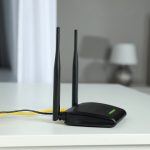
Old or low-quality routers may not support higher bandwidths. Placing routers in corners or behind walls can reduce effective speed and coverage.
4. Network Congestion
During peak hours, multiple users sharing the same ISP network can reduce speed even if your bandwidth is high. This is similar to traffic congestion on a highway during rush hour.
5. Background Applications
Streaming, downloads, and software updates running in the background can consume bandwidth and slow down other activities.
Why Understanding Bandwidth Matters
1. Optimizing Your Home Network
Knowing your bandwidth helps you distribute it efficiently among devices. For example, prioritizing work devices over entertainment devices during office hours ensures smooth productivity.
2. Choosing the Right Internet Plan
Understanding bandwidth helps you select a plan that supports your household needs:
- Single user with light browsing: 10–25 Mbps
- Family with multiple devices: 50–200 Mbps
- Heavy users (4K streaming, gaming, smart homes): 300 Mbps–1 Gbps or more
3. Improving Performance for Gaming and Streaming
High-bandwidth connections reduce buffering in streaming and lower latency in gaming. This ensures seamless entertainment even when multiple devices are online.
Practical Example
Imagine a home with:
- 2 adults working remotely
- 2 teenagers streaming Netflix in 4K
- 3 smartphones browsing social media
If each activity requires an average of 25 Mbps, total bandwidth needed = 7 × 25 Mbps = 175 Mbps. A connection below this will cause slowdowns and buffering.
Tips to Maximize Bandwidth and Speed
- Upgrade your internet plan if your current bandwidth is insufficient for all devices.
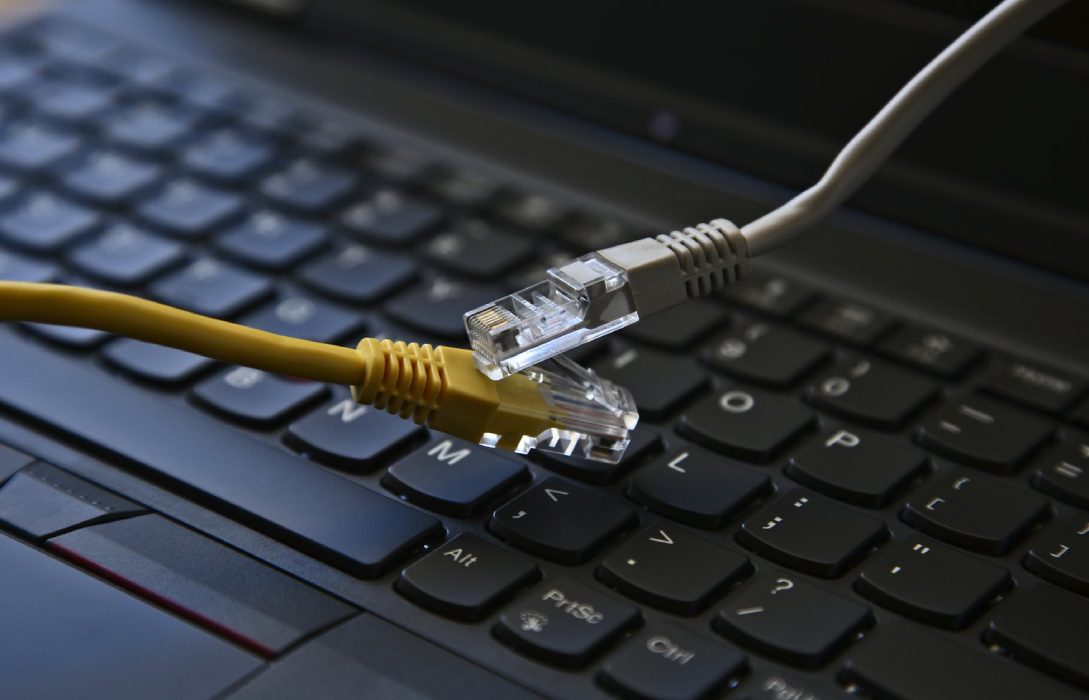
- Use Ethernet cables for critical devices like gaming consoles or PCs.
- Optimize WiFi placement: central location, away from interference.
- Limit unnecessary background activity on all devices.
- Regularly restart your router to maintain optimal performance.
- Enable Quality of Service (QoS) on your router to prioritize critical devices or applications.
Conclusion
Bandwidth and speed are the foundation of a reliable and efficient internet connection. Bandwidth sets the potential for how much data can travel, while speed determines how fast that data reaches your devices. By understanding their differences, monitoring usage, and optimizing your network, you can ensure a seamless online experience for work, learning, gaming, streaming, and smart home devices.
Properly managing bandwidth is the key to preventing slowdowns, improving performance, and future-proofing your home network in an increasingly connected world.