
In today’s connected world, a modern home often has multiple devices, smart appliances, and users who rely on the internet for work, entertainment, and communication. Determining the right internet speed for your home is essential to ensure smooth performance for all activities. This guide explains how to assess your home’s needs and choose the appropriate internet speed.
1. Understanding Your Household Needs
Before choosing an internet plan, consider the number of users and devices in your home:
- Single user: Light browsing, email, and streaming on one device
- Couples or small families: Multiple users streaming HD videos, video calls, and online gaming
- Large families or shared households: Multiple devices streaming 4K content, gaming, remote work, and smart home automation
Understanding the usage patterns of your household is the first step in determining the required internet speed.
2. Internet Speed for Browsing and Email
Basic activities like web browsing, sending emails, and using social media do not require very high speeds:
- Recommended speed: 5–10 Mbps per device
- Suitable for casual browsing, messaging apps, and video calls in standard definition
While basic tasks can function on low speeds, higher speeds improve load times and reduce frustration when multiple devices are online simultaneously.
3. Internet Speed for Streaming
Streaming video and music has become a central activity in modern homes:
- Standard Definition (SD): 3–4 Mbps
- High Definition (HD): 5–10 Mbps
- 4K Ultra HD: 15–25 Mbps per device
Households with multiple users streaming simultaneously require 50–200 Mbps or higher to avoid buffering and ensure smooth playback.
4. Internet Speed for Gaming
Online gaming is particularly sensitive to speed, latency, and stability:
- Download speed: 3–10 Mbps per gamer
- Upload speed: 1–5 Mbps
- Low latency (<50 ms) is critical for competitive gameplay
For families with multiple gamers or mixed gaming and streaming, a high-speed plan (100 Mbps–1 Gbps) is recommended to maintain consistent performance.
5. Internet Speed for Remote Work
Remote work relies on stable internet for:
- Video conferencing and collaboration tools
- Large file uploads and downloads
- Cloud storage and remote desktop access
Recommended speed:
- Download: 25–100 Mbps
- Upload: 10–50 Mbps
Higher speeds are particularly important for households where multiple adults are working simultaneously.
6. Internet Speed for Smart Homes
Smart homes often include:
- Security cameras
- Smart thermostats and lighting
- Voice assistants and IoT devices
Each device consumes bandwidth, and the total load can be significant in homes with multiple smart devices. For a smooth experience, modern smart homes benefit from speeds 50–200 Mbps or more, depending on the number of connected devices.
7. Upload vs Download Considerations
Many internet users focus solely on download speeds, but upload speeds are equally important:
- Video conferencing, cloud storage, and online gaming rely on higher upload speeds
- Fiber-optic connections often provide symmetrical speeds (equal download and upload), which are ideal for modern homes
8. Bandwidth Management
In households with multiple devices and heavy usage, proper bandwidth management is crucial:
- Quality of Service (QoS): Prioritizes traffic for critical activities like work or gaming
- Separate networks: Guest networks or dedicated WiFi for smart devices can prevent interference
- Monitoring usage: Helps identify bandwidth-heavy activities that may slow down other users
9. Future-Proofing Your Home Network
Technology and online habits continue to evolve:
- 4K and 8K streaming, VR gaming, and IoT devices will demand higher speeds
- Investing in fiber-optic or gigabit connections ensures your network remains capable for years to come
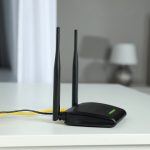
- Modern routers supporting WiFi 6 or WiFi 7 improve performance and handle multiple devices efficiently
10. Choosing the Right Plan
When selecting an internet plan for a modern home:
- Assess the number of users and devices
- Consider typical activities: streaming, gaming, remote work, smart home usage
- Check both download and upload speeds
- Look for low latency and stable connections
- Opt for fiber or cable where available for future-proof performance
Example Recommendations:
| Household Type | Devices & Usage | Recommended Speed |
|---|---|---|
| Single user | Browsing, emails | 10–25 Mbps |
| Couple | HD streaming, video calls | 50–100 Mbps |
| Family (4–6 users) | 4K streaming, gaming, remote work | 200–500 Mbps |
| Smart home + multiple heavy users | 4K/8K streaming, gaming, IoT devices | 500 Mbps–1 Gbps |
Conclusion
Modern homes require a balance of high download and upload speeds, low latency, and reliable connectivity. By evaluating your household’s needs, considering device usage, and planning for future demands, you can select an internet plan that ensures smooth performance for streaming, gaming, work, and smart home devices.
Investing in the right internet speed is not just about convenience—it’s about maintaining a connected, efficient, and future-ready home environment.