Even with the best optimization tricks, your internet can only be as fast as the plan you subscribe to. Upgrading your internet plan is sometimes the most effective way to boost speed, reliability, and overall performance. Here’s what you need to know before upgrading.
1. Assess Your Current Internet Usage
- Check your current download and upload speeds using tools like Speedtest.net
- Identify the number of devices and types of activities (streaming, gaming, video calls)
- Determine if your current plan meets your household or business needs
Understanding your usage ensures you choose the right plan for your needs.
2. Identify Speed Requirements
Different activities require different speeds:
| Activity | Recommended Download Speed | Recommended Upload Speed |
|---|---|---|
| Browsing and email | 5–10 Mbps | 1–3 Mbps |
| HD streaming | 10–20 Mbps | 3–5 Mbps |
| 4K streaming | 25–50 Mbps | 5–10 Mbps |
| Online gaming | 20–50 Mbps | 5–10 Mbps |
| Video conferencing | 10–25 Mbps | 3–10 Mbps |
| Multiple devices | 50+ Mbps | 10+ Mbps |
Upgrade to a plan that covers peak usage, not just minimum requirements.
3. Choose the Right Type of Internet Connection
- Fiber-optic: Fastest speeds, low latency, symmetrical upload and download
- Cable: Reliable and widely available, moderate to high speeds
- DSL: Slower, often limited in upload speed
- Satellite: Useful in rural areas, higher latency, limited speed
- 5G Home Internet: Emerging option with high speeds, availability varies
Choosing the right technology ensures you get maximum speed for your plan.
4. Consider Symmetrical Speeds
- Many ISPs offer asymmetrical plans (higher download, lower upload)
- For streaming, video conferencing, or content creation, symmetrical plans are better
- Reduces lag and improves performance for both downloads and uploads
5. Evaluate ISP Options
- Compare plans, prices, speeds, and reviews from different providers
- Check availability in your area
- Consider customer service quality and reliability
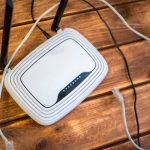
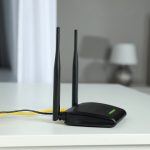
6. Upgrade Router and Hardware if Needed
- High-speed plans require modern routers to fully utilize the bandwidth
- Routers supporting WiFi 6/6E or WiFi 7 are ideal for multiple devices
- Ensure your devices support the upgraded speeds
7. Plan for Future Growth
- If your household or business is growing, or you plan to add smart devices, choose a plan with extra bandwidth
- Future-proofing prevents frequent upgrades and ensures consistent speed
8. Optimize After Upgrading
- Even after upgrading, optimize your network for best results:
- Place router centrally
- Use wired connections for critical devices
- Enable QoS to prioritize bandwidth
9. Budget Considerations
- Higher-speed plans may cost more, but the benefits include:
- Faster downloads and uploads
- Better streaming and gaming experiences
- Improved work-from-home performance
- Compare cost vs. speed gains to select value-for-money plans
10. Test Your New Plan
- After upgrading, run speed tests on multiple devices
- Ensure actual speeds match the advertised plan
- Contact ISP if speeds are consistently below expectations
Conclusion
Upgrading your internet plan is sometimes the simplest and most effective way to achieve faster, more reliable connections. Key steps:
- Assess your current usage and speed requirements
- Choose the right technology and plan for your needs
- Ensure hardware and devices can handle upgraded speeds
- Test and optimize your network post-upgrade
A well-chosen plan ensures smooth streaming, gaming, remote work, and multi-device connectivity, making your internet experience efficient and frustration-free.