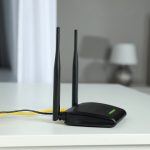


Bandwidth management is crucial in modern homes where multiple devices compete for internet resources. Properly managing your home network ensures fast, reliable, and stable internet for gaming, streaming, remote work, and smart home devices.
1. What Is Bandwidth Management?
- Bandwidth is the maximum amount of data your internet connection can handle at one time
- Bandwidth management involves prioritizing traffic and devices to ensure optimal performance
- Prevents one device or application from hogging the network
2. Why Bandwidth Management Matters
- Avoids slow internet during peak hours
- Ensures critical devices and tasks receive priority
- Improves streaming, gaming, and video call quality
- Reduces frustration caused by buffering or lag
3. Identify Bandwidth-Hogging Devices
- Use your router’s monitoring tools or third-party apps like GlassWire
- Common bandwidth-heavy devices:
- Streaming devices (Netflix, YouTube, 4K TVs)
- Gaming consoles and PCs
- Cloud backup and syncing apps
- Detect unusual or unexpected usage to prevent slowdowns
4. Prioritize Devices and Applications (QoS)
- Quality of Service (QoS) lets you assign priority levels to devices and apps
- Examples:
- High priority: Video calls, gaming consoles, work laptops
- Medium priority: Smart TVs, streaming devices
- Low priority: Background downloads, IoT devices
- Helps reduce lag and buffering for critical applications
5. Schedule Heavy Tasks
- Large downloads, updates, or cloud backups can consume bandwidth
- Schedule them during off-peak hours
- Ensures other devices get full bandwidth when needed
6. Use Multiple Networks
- Separate networks for different types of devices:
- Primary WiFi for PCs, laptops, gaming consoles
- Secondary or guest WiFi for smart home devices, tablets, and phones
- Reduces interference and ensures smooth operation
7. Upgrade Your Router
- Routers with advanced bandwidth management features provide better control
- Features to look for:
- QoS prioritization
- MU-MIMO for multi-device efficiency
- Dual-band or tri-band support for load balancing
8. Reduce Background Usage
- Limit automatic updates, cloud syncing, and idle streaming apps
- Close apps not in use
- Reduces unnecessary bandwidth consumption
9. Monitor Network Regularly
- Keep an eye on device activity, bandwidth usage, and peak times
- Adjust settings if certain devices consistently consume too much bandwidth
- Helps prevent slowdowns before they impact users
10. Consider Wired Connections
- Ethernet connections reduce load on WiFi
- Critical devices like gaming consoles or PCs benefit from stable, high-speed connections
- Improves overall network efficiency
11. Benefits of Proper Bandwidth Management
- Faster, more reliable internet for all users
- Smooth streaming, gaming, and remote work experience
- Reduces conflicts between devices
- Optimizes network for multiple simultaneous users
Conclusion
Managing bandwidth on home networks is essential for optimal internet performance. Key strategies:
- Identify high-usage devices and prioritize critical applications
- Use QoS and schedule heavy tasks for off-peak hours
- Separate networks for devices, monitor usage, and consider wired connections
By implementing these steps, you ensure that every device on your network gets the speed it needs, providing a seamless online experience for your entire household.
Visited 10 times, 1 visit(s) today