
In today’s digital age, internet speed and reliability are more important than ever. Whether you’re working from home, streaming movies in 4K, or engaging in online gaming, a fast and stable internet connection is essential. One of the most advanced technologies available to meet these demands is fiber internet. But what exactly is fiber internet, and how does it differ from other types of internet connections? In this article, we’ll explore the fundamentals of fiber internet, its benefits, how it works, and why it might be the best choice for your home or business.
What Is Fiber Internet?
Fiber internet, also known as fiber-optic internet, is a type of broadband connection that uses fiber-optic cables to transmit data. Unlike traditional copper cables, fiber-optic cables are made of thin strands of glass or plastic that carry information as pulses of light. This method allows data to travel at incredibly high speeds over long distances without losing signal quality.
Fiber internet is known for providing ultra-fast download and upload speeds, often reaching up to 1 Gbps (1000 Mbps) or higher. This makes it ideal for households with multiple devices, businesses with large data requirements, and anyone who relies on a consistent and high-performance internet connection.
How Fiber Internet Works
Fiber-optic technology uses the principle of light transmission to send data. Here’s a simple breakdown of how fiber internet works:
- Internet Service Provider (ISP): Your ISP sends data through a network of fiber-optic cables.
- Fiber Cable: The data travels as light pulses through the thin strands of glass or plastic.
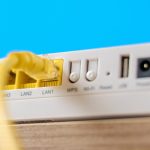
- Optical Network Terminal (ONT): Installed at your home or office, this device converts the light signals into electrical signals that your devices can use.
- High-Speed Internet: Devices connected via WiFi or Ethernet receive the data almost instantaneously, enabling fast downloads, seamless streaming, and low-latency gaming.
Because light can travel faster and with less interference than electrical signals in copper cables, fiber internet offers both speed and reliability that older technologies cannot match.
Types of Fiber Internet
There are different types of fiber connections, primarily:
- FTTH (Fiber to the Home): Fiber runs directly to your home, offering maximum speed and reliability.
- FTTP (Fiber to the Premises): Similar to FTTH, commonly used for commercial buildings.
- FTTC (Fiber to the Curb): Fiber reaches a point near your home, then switches to copper cables for the final connection.
- FTTN (Fiber to the Node): Fiber reaches a local node or distribution point, with copper lines delivering the service to homes in the area.
Among these, FTTH is considered the gold standard for consumers because it delivers the fastest and most stable connection.
Benefits of Fiber Internet
Fiber internet offers several advantages over traditional broadband connections:
- Ultra-Fast Speeds: Fiber can provide speeds of 100 Mbps to 1 Gbps or more, suitable for streaming, gaming, and large downloads.
- Low Latency: Critical for online gaming and video conferencing.
- Symmetrical Speeds: Many fiber plans offer equal upload and download speeds, which is a huge benefit for remote work and cloud services.
- Reliability: Fiber is less susceptible to interference, ensuring a consistent connection even during peak usage times.
- Future-Proof: Fiber infrastructure supports higher speeds and technological advancements for years to come.
Fiber Internet vs Other Internet Types
Fiber is often compared with cable, DSL, and satellite internet:
- Fiber vs Cable: Cable internet shares bandwidth among multiple users in a neighborhood, leading to slower speeds during peak hours. Fiber provides dedicated lines for faster and consistent performance.
- Fiber vs DSL: DSL is slower and relies on older copper infrastructure. Fiber is significantly faster and more reliable.
- Fiber vs Satellite: Satellite internet works via space satellites, leading to higher latency and slower speeds. Fiber provides near-instant connections.
Is Fiber Internet Worth It?
The main considerations for choosing fiber internet are speed, reliability, and long-term value. While fiber plans may be slightly more expensive than DSL or cable, the performance benefits often justify the cost. Households with multiple devices, gamers, and professionals working from home will notice immediate improvements in download/upload speeds and stability.
How to Get Fiber Internet
Getting fiber internet depends on availability in your area. Steps usually include:
- Check Providers: Many ISPs now offer fiber plans, but coverage is limited in some rural areas.
- Compare Plans: Look at speed, pricing, data caps, and customer reviews.
- Schedule Installation: Fiber requires professional installation, including running fiber cables to your property.
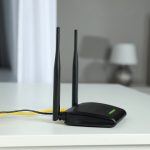
- Set Up Equipment: Use the ONT and router provided by the ISP for optimal performance.
Common Myths About Fiber Internet
- Myth 1: Fiber is only for businesses – Fiber is increasingly available for homes.
- Myth 2: Fiber installation is extremely difficult – Modern ISPs make it simple with professional installation.
- Myth 3: Fiber is too expensive – Competitive pricing and better performance often make it cost-effective.
Conclusion
Fiber internet is the most advanced broadband technology currently available. Its high speeds, low latency, and reliability make it ideal for homes, businesses, gamers, and anyone requiring fast internet. While availability and pricing can vary by location, the long-term benefits of fiber often outweigh the initial investment.
If you’re tired of slow, inconsistent connections and want the best internet experience for streaming, gaming, remote work, or smart home devices, fiber internet is the solution you’ve been waiting for.