Fiber internet is celebrated for its ultra-fast speeds, low latency, and reliability, but many users wonder about the cost of switching to this high-performance connection. Understanding the factors behind fiber internet pricing can help you make an informed decision and choose the plan that best suits your needs. In this guide, we’ll break down fiber internet costs, what influences pricing, and how to find the best value.
What Determines Fiber Internet Costs?
Several factors influence the cost of fiber internet:
- Speed Tier – Higher speeds usually cost more. Providers offer packages ranging from 100 Mbps to 5 Gbps or more.
- Location – Urban areas may have more competitive pricing due to multiple providers, whereas rural areas might have higher costs.
- Installation Fees – Some providers charge for professional installation or offer self-install kits to reduce costs.
- Equipment Fees – Renting or buying a router and Optical Network Terminal (ONT) may add to monthly costs.
- Promotions and Bundles – Introductory offers, bundled services, or long-term contracts can lower costs temporarily.
Typical Fiber Internet Costs
- Basic Plans (100–250 Mbps): $40–$60 per month
- Mid-Tier Plans (300–500 Mbps): $60–$90 per month
- High-Speed Plans (1 Gbps and above): $90–$150+ per month
- Installation Fees: $0–$200, depending on provider and location
- Equipment Fees: $0–$15 per month for rental, or $100–$200 for purchase
Costs vary widely depending on your provider, region, and the speed you choose.
Comparing Fiber Costs to Other Internet Types
| Internet Type | Typical Monthly Cost | Speed Range | Notes |
|---|---|---|---|
| Fiber Internet | $40–$150+ | 100 Mbps–5 Gbps | Fast, reliable, symmetrical speeds |
| Cable Internet | $30–$100 | 25–500 Mbps | Speeds can vary based on shared bandwidth |
| DSL Internet | $25–$60 | 10–100 Mbps | Slower, lower reliability |
| Satellite Internet | $50–$150 | 12–250 Mbps | Higher latency, weather dependent |
Fiber internet may cost slightly more than cable, but it offers higher speeds, better reliability, and future-proof connectivity.
Installation Costs Explained
Fiber installation costs depend on several factors:
- Distance from Network: The farther your home or office from the fiber node, the higher the cost.
- Professional Installation: Technicians run cables, set up equipment, and test the connection.
- Self-Install Kits: Some providers offer DIY options, reducing installation costs.
- Home Structure: Older buildings may require additional work like drilling or conduit installation.
Many ISPs waive installation fees during promotions, especially for long-term contracts or high-speed plans.
Equipment Costs
Fiber internet requires specific equipment:
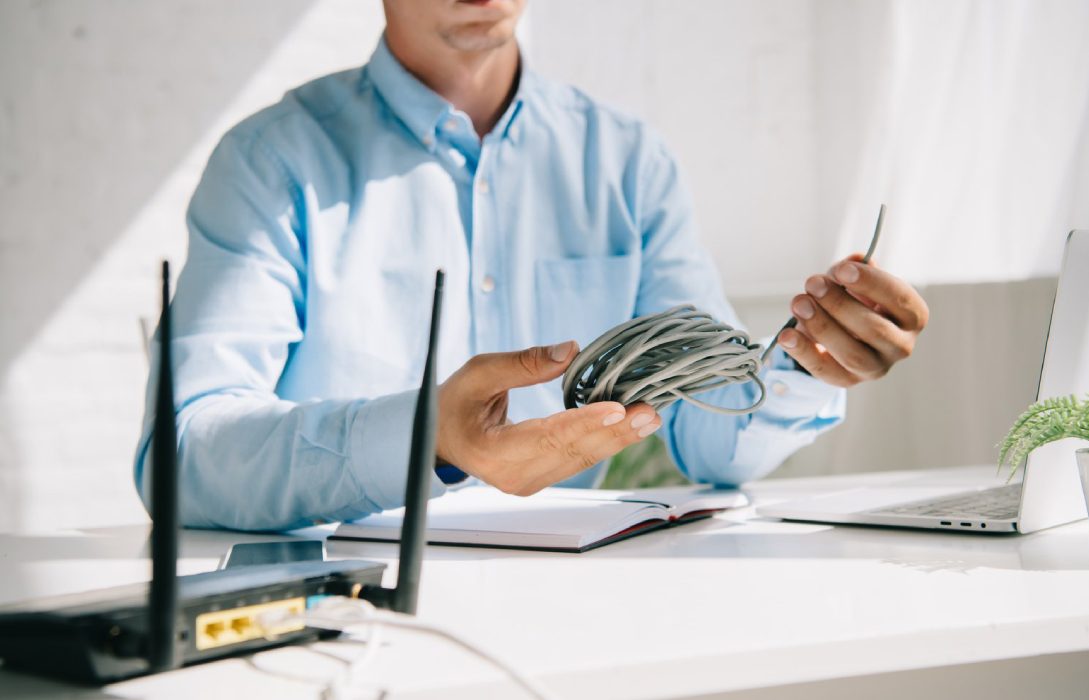
- Optical Network Terminal (ONT): Converts fiber signals into usable internet data.
- Router: Distributes internet to your devices via WiFi or Ethernet.
- Cables: Fiber cables carry signals efficiently with minimal interference.
Some providers include equipment in the monthly plan, while others charge a separate rental or one-time purchase fee.
Tips to Reduce Fiber Internet Costs
- Check for Promotions: ISPs often offer discounts for new customers.
- Bundle Services: Combining internet with TV or phone services may reduce overall costs.
- Negotiate: Contact your provider to ask about lower rates or loyalty discounts.
- Compare Providers: Check coverage and pricing in your area to find the best value.
- Consider Self-Installation: Opting for DIY installation can save on upfront fees.
Is Fiber Worth the Cost?
Fiber internet is generally more expensive than DSL or basic cable, but the benefits often justify the cost:
- Ultra-fast download and upload speeds
- Low latency for gaming and video calls
- Reliable performance for multiple devices
- Future-proof connectivity for smart homes and advanced applications
For heavy internet users, remote workers, gamers, or households with multiple devices, fiber provides better value and superior performance than alternative internet types.
Conclusion
Fiber internet costs vary based on speed, location, installation, and equipment. While monthly plans may range from $40 to $150+, fiber offers unmatched speed, reliability, and future-proofing. By understanding the pricing factors, comparing providers, and leveraging promotions or bundles, you can enjoy high-speed fiber internet at a cost that fits your needs.
Investing in fiber is not just about paying for internet—it’s about enhancing productivity, entertainment, and connectivity for years to come.