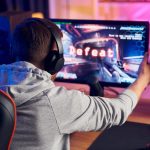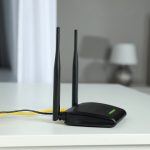


Gaming requires fast, stable, and low-latency internet for smooth gameplay. Lag, buffering, or dropped connections can ruin the experience, especially in competitive multiplayer games. Proper WiFi setup ensures high speeds, reduced ping, and reliable connectivity for consoles, PCs, and mobile devices.
This guide provides a step-by-step approach to optimizing WiFi for gaming, including hardware, placement, frequency bands, and advanced techniques.
Step 1: Assess Your Gaming Setup
- Identify devices: gaming consoles, PCs, laptops, VR headsets, and mobile devices
- Determine internet speed needs:
- Casual gaming: 3–10 Mbps per device
- Competitive multiplayer: 15–50 Mbps minimum
- Streaming or cloud gaming: 50 Mbps or more
- Check device locations to plan router or mesh placement
Tip: Knowing your gaming devices and their bandwidth requirements helps in selecting the right setup.
Step 2: Choose a Gaming-Optimized Router
- Look for WiFi 6 or WiFi 6E routers to handle multiple devices efficiently
- Dual-band or tri-band routers prevent network congestion
- Gaming routers often include QoS features specifically for gaming traffic
- For large homes, a mesh WiFi system ensures seamless coverage and low latency
Tip: Avoid cheap, older routers that cannot handle high-demand gaming connections.
Step 3: Use Wired Connections When Possible
- Ethernet connections provide stable, high-speed performance
- Ideal for gaming consoles, PCs, or streaming devices
- Reduces interference and latency compared to wireless connections
Tip: Even connecting one gaming device via Ethernet can improve network performance for all other devices.
Step 4: Optimize Router Placement
- Place the router centrally for even coverage
- Elevate it for better line-of-sight signals
- Avoid obstacles like walls, cabinets, metal appliances, or microwaves
- In large homes, strategically place mesh nodes near gaming areas
Tip: Proper placement reduces packet loss and improves latency.
Step 5: Use Frequency Bands Effectively
- 2.4 GHz band: Long-range, suitable for devices farther from the router
- 5 GHz band: High-speed, ideal for gaming and streaming
- Tri-band routers: Provide an extra 5 GHz band to reduce congestion in multi-device homes
Tip: Assign gaming devices to the 5 GHz band for the fastest speeds and lowest latency.
Step 6: Enable Quality of Service (QoS)
- QoS prioritizes gaming traffic over less critical devices
- Reduces lag during online multiplayer sessions
- Allows smoother gameplay when others are streaming or browsing
Tip: Many gaming routers have dedicated QoS settings for specific devices or game types.
Step 7: Reduce Interference
- Keep the router away from:
- Microwaves
- Cordless phones
- Bluetooth devices
- Large metal objects
- Avoid overlapping WiFi channels with neighboring networks using WiFi analyzer tools
Tip: Minimizing interference ensures stable and consistent ping rates for gaming.
Step 8: Optimize Network Settings
- Enable 5 GHz band and disable unnecessary devices during gameplay
- For consoles and PCs, assign static IPs for port forwarding if required
- Use DNS optimization to reduce latency and improve server response
Tip: Optimizing network settings can reduce lag spikes and improve overall gaming performance.
Step 9: Test Gaming Network Performance
- Check ping, jitter, and packet loss using online tools
- Test at different times of the day to detect congestion issues
- Adjust router placement, frequency bands, or QoS settings for optimal performance
Tip: Testing ensures consistent, high-quality gaming sessions.
Step 10: Advanced Gaming WiFi Tips
- Mesh Network Placement: Place nodes in gaming areas to reduce dead zones
- Ethernet Backhaul: Wired connections between mesh nodes improve speed and stability
- Minimize Background Traffic: Pause updates, cloud backups, and streaming during competitive gaming
- Upgrade ISP Plan: Ensure your plan provides sufficient upload/download speed for online gaming
Conclusion
A proper WiFi setup is critical for gaming. By choosing the right router, optimizing placement, using wired connections, and prioritizing traffic, you can achieve low latency, fast speeds, and reliable connectivity.
Following these strategies ensures smooth gameplay for casual and competitive gamers alike, reducing lag, buffering, and connectivity interruptions, while also supporting other devices in the household.