

A poorly configured WiFi network can lead to slow speeds, dead zones, security vulnerabilities, and connectivity issues. Many common mistakes are easy to avoid with proper planning and setup.
This guide highlights the most common WiFi setup mistakes and how to prevent them to ensure a fast, secure, and reliable home network.
Mistake 1: Using an Outdated Router
- Old routers may not support modern WiFi standards like WiFi 6 or WiFi 6E
- Limited device handling leads to slow speeds and congestion
- Older routers may lack advanced security features
Solution: Upgrade to a modern dual-band or tri-band router capable of handling multiple devices efficiently.
Mistake 2: Poor Router Placement
- Placing a router in a corner, behind furniture, or near walls reduces signal strength
- Interference from appliances, metal objects, and electronics can degrade performance
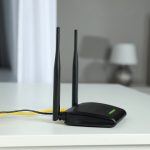
Solution: Place the router centrally, elevated, and away from obstacles for optimal coverage.
Mistake 3: Ignoring Frequency Bands
- Many people connect all devices to the 2.4 GHz band, which is slower and more crowded
- 5 GHz band is ignored, even though it offers higher speeds and lower latency
Solution: Assign high-speed devices to 5 GHz and low-bandwidth devices to 2.4 GHz. Tri-band routers help reduce congestion.
Mistake 4: Using Weak or Default Passwords
- Default or weak passwords make your network vulnerable to hacking
- Unauthorized access can compromise privacy and slow down your network
Solution: Use strong, unique passwords and enable WPA3 encryption if available.
Mistake 5: Skipping Firmware Updates
- Outdated router firmware can lead to security vulnerabilities and performance issues
- Devices may disconnect or fail to receive new security patches
Solution: Enable automatic updates or regularly check for firmware updates from the manufacturer.
Mistake 6: Overloading the Network
- Connecting too many devices without proper planning can reduce speeds
- Streaming, gaming, and large downloads simultaneously can cause network congestion
Solution: Use WiFi 6 routers, QoS settings, and network segmentation to handle multiple devices efficiently.
Mistake 7: Ignoring Security Measures
- Leaving WPS, remote management, or UPnP enabled can be exploited by hackers
- Not using firewalls or VPNs leaves sensitive data vulnerable
Solution: Disable unnecessary features, enable firewalls, and use VPNs for secure connections.
Mistake 8: Neglecting Mesh Network Planning
- In large homes, using a single router without mesh nodes creates dead zones
- Placing nodes incorrectly reduces WiFi efficiency
Solution: Strategically place mesh nodes near device clusters to maximize coverage.
Mistake 9: Not Monitoring Network Traffic
- Unknown devices or malware can consume bandwidth
- Without monitoring, network slowdowns may go unnoticed
Solution: Use router apps or network monitoring tools to track devices, usage, and potential issues.
Mistake 10: Using Public or Open WiFi Carelessly
- Public WiFi or open networks can expose devices to hackers
- Connecting personal devices to unsecured networks without VPN is risky
Solution: Always use a VPN and avoid connecting sensitive devices to untrusted networks.
Mistake 11: Overlooking Device-Specific Needs
- Smart home devices, gaming consoles, and streaming devices have unique bandwidth and latency requirements
- Ignoring these needs can cause performance issues
Solution: Segment devices, prioritize traffic, and assign them to appropriate frequency bands.
Mistake 12: Not Testing WiFi Performance
- Users often assume WiFi is working fine without testing
- Dead zones, slow speeds, or high latency go unnoticed until they cause problems
Solution: Regularly test WiFi speed, ping, and coverage using apps or online tools.
Mistake 13: Mixing Personal and Guest Networks
- Allowing guests to use the main network increases security risks
- Guest devices can consume bandwidth and reduce performance for household devices
Solution: Set up a guest network with limited access and bandwidth controls.
Mistake 14: Ignoring Physical Interference
- Thick walls, metal doors, and microwaves can weaken WiFi signals
- Some devices interfere with wireless communication
Solution: Adjust router placement, use mesh systems, and avoid placing devices near interference sources.
Mistake 15: Forgetting to Maintain the Network
- WiFi networks degrade over time due to outdated firmware, overcrowded devices, or interference
- Ignoring maintenance causes ongoing performance issues
Solution: Regularly update firmware, reboot routers, remove unused devices, and monitor performance.
Conclusion
Avoiding these common WiFi setup mistakes ensures a fast, secure, and reliable home network. Proper planning, modern hardware, strong security, and regular maintenance prevent connectivity issues, dead zones, and security vulnerabilities.
By following best practices, households can enjoy smooth streaming, gaming, remote work, and smart home operation, while keeping their networks safe and efficient.