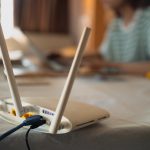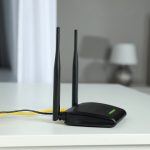


A family WiFi network must support multiple devices, diverse activities, and different users simultaneously. From streaming and gaming to remote work and online learning, a household requires fast, reliable, and secure connectivity.
This guide provides a complete approach to setting up WiFi for families, ensuring everyone in the home can stay connected without conflicts or slowdowns.
Step 1: Assess Family Internet Needs
- List all devices: smartphones, tablets, laptops, smart TVs, gaming consoles, and IoT devices
- Identify each device’s primary use: streaming, gaming, schoolwork, remote work, or browsing
- Calculate approximate bandwidth requirements for simultaneous usage
Tip: Understanding your household’s needs ensures you choose the right plan, router, and setup.
Step 2: Choose a Suitable Router
- Opt for a dual-band or tri-band WiFi 6 router for multiple device support
- Look for routers with Quality of Service (QoS) to prioritize traffic for critical devices
- Ensure the router has sufficient range for your home size
Tip: Modern routers handle simultaneous streaming, gaming, and browsing more efficiently.
Step 3: Optimize Router Placement
- Place the router centrally to cover all areas of the home
- Elevate it on a shelf or wall mount to improve signal distribution
- Avoid placing routers near metal objects, walls, or electronics that can block signals
Tip: Proper placement reduces dead zones and ensures reliable connectivity for all family members.
Step 4: Use Frequency Bands Effectively
- 2.4 GHz band: Longer range, good for IoT devices and low-bandwidth activities
- 5 GHz band: Faster speeds, ideal for gaming, streaming, and schoolwork
- Assign devices strategically to reduce congestion
Tip: Tri-band routers provide an extra 5 GHz band to balance heavy network usage in large families.
Step 5: Implement Network Security
- Use strong WPA3 or WPA2 passwords
- Enable firewalls on the router and devices
- Set up parental controls to manage internet access for children
- Consider creating a guest network for visitors
Tip: Security protects personal data, prevents unauthorized access, and ensures safe online experiences for kids.
Step 6: Prioritize Critical Activities with QoS
- Configure QoS settings to prioritize traffic for work, school, or streaming
- Assign lower priority to gaming or non-essential devices during high-demand hours
- Maintain smooth video calls, online classes, and large file transfers
Tip: QoS ensures essential activities get the bandwidth they need, even when multiple devices are online.
Step 7: Use Mesh WiFi or Extenders for Large Homes
- Mesh networks or WiFi extenders improve coverage in multi-floor homes
- Place nodes or extenders near areas with poor signal
- Ensure seamless roaming for devices as family members move around
Tip: Mesh networks are ideal for households with heavy simultaneous internet use.
Step 8: Manage Device Load
- Limit the number of devices connected simultaneously if network performance drops
- Schedule software updates and large downloads during off-peak hours
- Monitor network usage regularly to identify bandwidth-hogging devices
Tip: Managing device load prevents network slowdowns and ensures smooth performance for all family members.
Step 9: Educate Family Members
- Teach kids safe internet habits and responsible device usage
- Inform everyone about WiFi etiquette, such as avoiding unnecessary downloads during peak hours
- Encourage use of secure connections and VPNs if necessary
Tip: Educated users reduce network issues and maintain a secure, stable home WiFi.
Step 10: Regular Maintenance and Monitoring
- Keep router firmware updated
- Reboot routers occasionally to reset connections
- Use apps or tools to monitor network performance and detect unauthorized devices
Tip: Regular maintenance ensures consistent speeds and coverage for the entire family.
Advanced Tips for Family WiFi
- Parental Controls: Block inappropriate content and schedule internet access for children
- VLAN Segmentation: Separate high-demand devices for gaming or streaming
- Ethernet for Fixed Devices: Connect PCs, smart TVs, or gaming consoles via Ethernet to reduce WiFi congestion
- Network Mapping: Visualize coverage areas and adjust router or mesh node placement accordingly
Conclusion
Setting up WiFi for families requires careful planning, strong hardware, and security measures. By optimizing router placement, using multiple frequency bands, implementing QoS, and monitoring devices, families can enjoy fast, secure, and reliable internet.
A well-structured network ensures smooth streaming, gaming, learning, and remote work, keeping everyone connected without disruptions or frustrations.