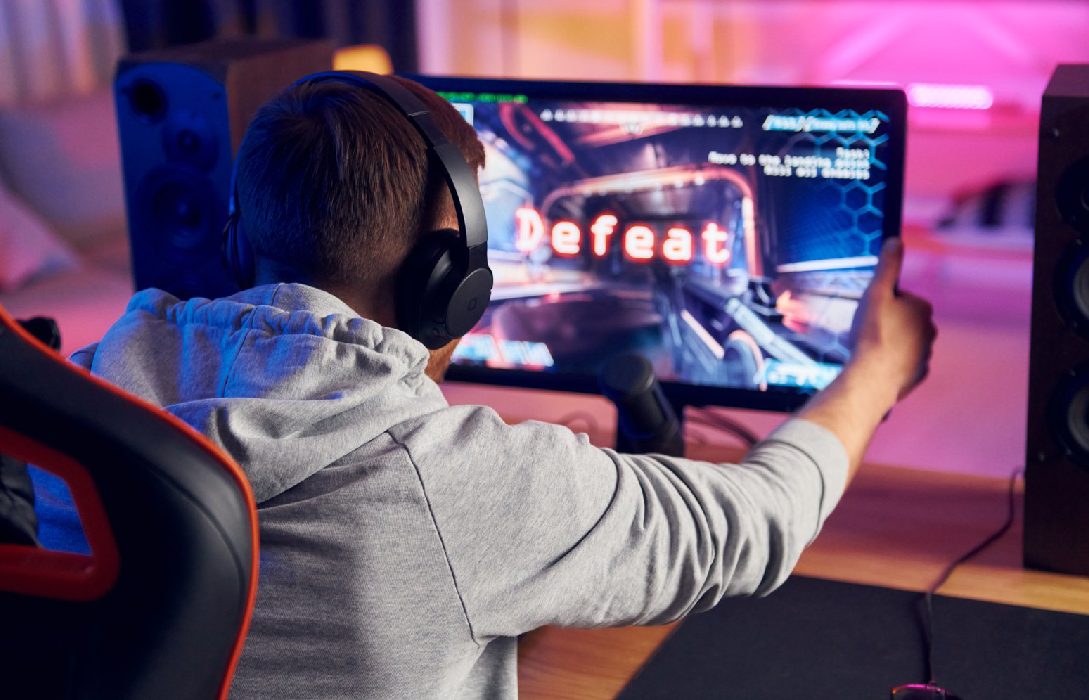
In competitive gaming, milliseconds can make the difference between victory and defeat. While hardware, skill, and strategy are important, internet speed and stability play a critical role in ensuring responsive gameplay.
This guide explains the optimal internet speeds, latency requirements, and network setups needed for competitive gaming.
Step 1: Understanding Internet Speed Components
1. Download Speed
- Determines how quickly data from the game server reaches your device
- Important for game updates, streaming, and in-game content
- Recommended: 50–100 Mbps for casual competitive gaming, 100+ Mbps for professional players
2. Upload Speed
- Determines how quickly your actions are sent to the server
- Critical for multiplayer games and streaming gameplay
- Recommended: 10–20 Mbps or higher
3. Ping / Latency
- Time for data to travel from your device to the server and back
- Low latency (<30 ms) is essential for fast reaction times
- Even with high download speed, high ping can make games unplayable
4. Stability
- Consistent speeds prevent lag spikes
- Avoids packet loss, jitter, and connection drops
Tip: Competitive gaming relies more on low latency and stability than raw download speed.
Step 2: Optimal Speeds for Popular Game Types
| Game Type | Download Speed | Upload Speed | Ping |
|---|---|---|---|
| FPS / Battle Royale | 50–150 Mbps | 10–20 Mbps | <30 ms |
| MOBA / Strategy | 30–100 Mbps | 5–10 Mbps | <50 ms |
| Racing / Sports | 50–100 Mbps | 10 Mbps | <30 ms |
| Cloud Gaming / Streaming | 100–300 Mbps | 20+ Mbps | <20 ms |
Tip: Competitive and real-time games demand fast upload and low ping, while casual games can tolerate slower speeds.
Step 3: Choosing the Right Connection Type
1. Fiber Internet
- Provides symmetrical speeds (equal upload/download)
- Extremely low latency (<10 ms in some cases)
- Best choice for serious competitive gamers
2. Cable Internet
- Fast download speeds, slightly higher latency than fiber
- Adequate for most competitive gaming scenarios
3. 5G / Wireless
- Good speeds, but latency may vary depending on network congestion
- Suitable for casual competitive play, less consistent than wired
4. Satellite Internet
- High latency (500+ ms), not suitable for competitive gaming
- Only recommended for remote areas where no other options exist
Tip: Fiber is ideal, cable is acceptable, and wireless/satellite is secondary.
Step 4: Router and Network Optimization
- Use a wired Ethernet connection for competitive gaming
- Enable QoS (Quality of Service) to prioritize gaming traffic
- Update router firmware to maintain low-latency performance
- Consider gaming routers or mesh networks for large homes
Tip: Proper router setup can reduce ping spikes and provide stable gameplay.
Step 5: Server Selection
- Choose servers close to your physical location
- Avoid high-latency or overcrowded servers
- Some games allow manual server selection for optimal ping
Tip: Server choice can reduce latency by tens of milliseconds, critical for competitive performance.
Step 6: Managing Bandwidth and Devices
- Limit simultaneous downloads, streaming, or heavy internet usage
- Use QoS settings to allocate bandwidth to gaming devices
- Avoid peak times if network congestion is an issue
Tip: Bandwidth management ensures smooth gameplay and low ping, even in households with multiple users.
Step 7: Advanced Techniques
- Optimize MTU (Maximum Transmission Unit) settings for packet delivery
- Adjust TCP/UDP protocols if supported by the game
- Gaming VPNs may improve routing in some cases, but can increase latency
Tip: Advanced settings are optional but can fine-tune your competitive gaming setup.
Step 8: Testing and Monitoring
- Regularly test speeds and ping using tools like Speedtest or in-game indicators
- Monitor for lag spikes or packet loss
- Adjust network settings or contact ISP if issues persist
Tip: Consistent monitoring ensures your connection remains optimized.
Step 9: Common Mistakes to Avoid
- Using WiFi for competitive gaming without optimization
- Ignoring router firmware updates
- Playing on distant or overloaded servers
- Neglecting bandwidth management
- Relying solely on high download speed without checking latency
Tip: Avoiding these mistakes ensures low-latency, stable gaming connections.
Conclusion
Competitive gaming requires more than just high download speeds. The optimal setup includes low latency, sufficient upload speeds, stable connections, and proper network configuration.
By choosing fiber or cable internet, using wired connections, optimizing routers, and managing bandwidth, players can achieve minimal lag, reliable connections, and a competitive edge in every online match.