

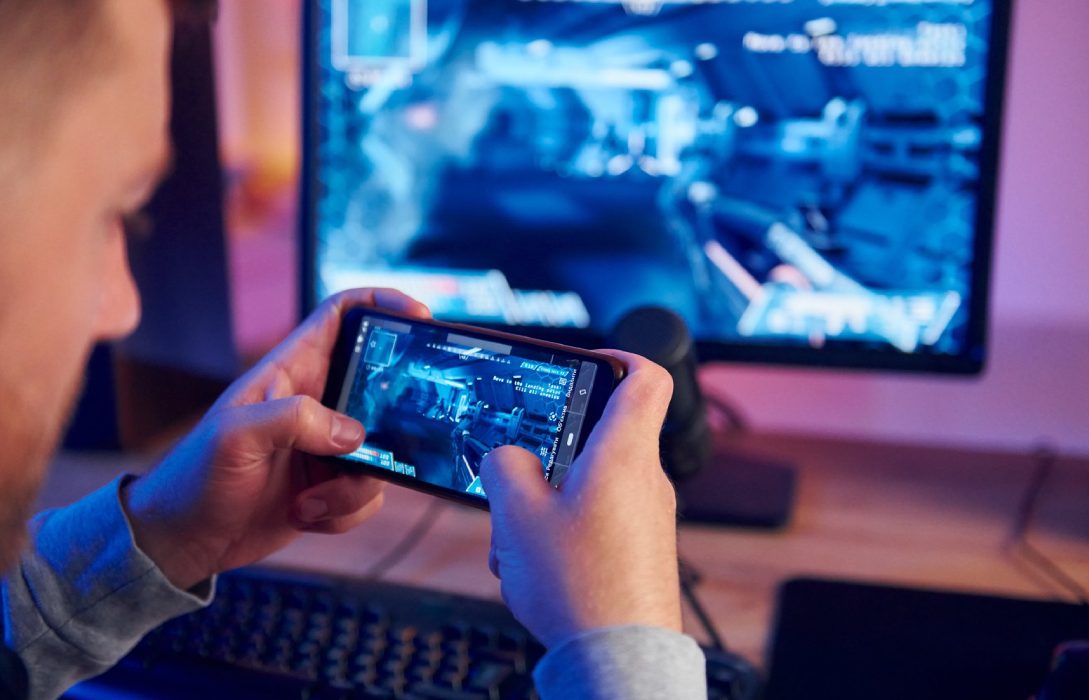
The gaming industry is evolving rapidly, and so is the technology that powers it. The future of gaming internet will be defined by ultra-fast speeds, near-zero latency, cloud-based gaming, and smarter network infrastructure.
As online gaming becomes more immersive and competitive, internet technology must keep up with increasing demands for real-time responsiveness, high-quality graphics streaming, and global connectivity.
This article explores the key trends and technologies shaping the future of gaming internet.
Step 1: The Rise of Ultra-Fast Internet Speeds
Future internet connections will deliver:
- Multi-gigabit speeds (1–10 Gbps and beyond)
- Faster downloads for large games (100GB+ titles in minutes)
- Seamless updates without interruptions
Fiber Expansion
- Fiber networks will continue expanding globally
- More households will have access to symmetrical high-speed connections
- Reduced latency and improved reliability
Impact on Gaming:
Gamers will experience instant downloads, seamless updates, and zero buffering.
Step 2: Near-Zero Latency Networks
Latency is the most critical factor in gaming. Future technologies aim to reduce latency to:
- Single-digit milliseconds (1–5 ms)
- Real-time response in competitive games
- Elimination of lag in fast-paced environments
Edge Computing
- Game servers will be placed closer to users
- Data processing happens near the player instead of distant data centers
Impact on Gaming:
Players will enjoy instant reactions, smoother gameplay, and fair competition globally.
Step 3: Cloud Gaming Revolution
Cloud gaming is transforming how games are played:
- Games run on remote servers instead of local devices
- Players stream gameplay like a video
- No need for expensive gaming hardware
Benefits
- Play high-end games on low-end devices
- Instant access—no downloads required
- Cross-platform compatibility
Challenges
- Requires high-speed, low-latency internet
- Stable connections are essential
Impact on Gaming:
Cloud gaming will make gaming more accessible and flexible, removing hardware limitations.
Step 4: 5G and Beyond (6G)
5G Technology
- Speeds up to 1 Gbps or higher
- Lower latency than traditional mobile networks
- Supports mobile and portable gaming
Future 6G Networks
- Expected speeds of 10 Gbps+
- Ultra-low latency and massive device connectivity
Impact on Gaming:
Mobile gaming will reach console-level performance, enabling gaming anywhere with minimal lag.
Step 5: Advanced WiFi Technologies
WiFi 6 and WiFi 7
- Improved speed and efficiency
- Better performance in crowded networks
- Reduced interference and latency
Future WiFi Innovations
- Increased capacity for smart homes
- Seamless connectivity across multiple devices
Impact on Gaming:
Gamers will experience stable connections even in multi-device households.
Step 6: AI and Network Optimization
Artificial Intelligence will play a major role in networking:
- Automatically prioritize gaming traffic
- Predict and prevent congestion
- Optimize routing for lower latency
Smart Routers
- AI-powered routers will adjust settings in real time
- Identify and eliminate network bottlenecks
Impact on Gaming:
Networks will become self-optimizing, ensuring consistent performance without manual configuration.
Step 7: Virtual Reality (VR) and Augmented Reality (AR)
Future gaming experiences will include:
- Fully immersive VR worlds
- Interactive AR environments
Internet Requirements
- Extremely low latency
- High bandwidth for real-time rendering
Impact on Gaming:
Players will enjoy lifelike experiences, where delays or lag are almost nonexistent.
Step 8: Global Connectivity with Satellite Internet
Low-Earth Orbit Satellites
- Provide internet access in remote areas
- Lower latency compared to traditional satellites
Benefits for Gamers
- Access to online gaming worldwide
- Bridging the digital divide
Impact on Gaming:
Gamers in rural or underserved regions will gain equal access to online gaming opportunities.
Step 9: Security Improvements
Future gaming networks will include:
- Advanced encryption protocols
- AI-based threat detection
- Protection against DDoS attacks and hacking
Impact on Gaming:
Gamers will enjoy secure and uninterrupted gameplay environments.
Step 10: The Future Gaming Ecosystem
The gaming internet of the future will feature:
- Instant game access (no downloads)
- Cross-platform play across all devices
- Seamless multiplayer experiences worldwide
- Integration with smart homes and IoT devices
Impact on Gaming:
Gaming will become more connected, immersive, and accessible than ever before.
Challenges Ahead
Despite advancements, challenges remain:
- Infrastructure costs for global high-speed internet
- Network congestion in densely populated areas
- Ensuring affordability for all users
- Maintaining privacy and security
Tip: Addressing these challenges will be key to achieving a fully connected gaming future.
Conclusion
The future of gaming internet is incredibly promising, with advancements in fiber, 5G/6G, cloud gaming, AI optimization, and satellite networks driving the industry forward. These technologies will deliver faster speeds, lower latency, and more immersive experiences, transforming how games are played and accessed.
As infrastructure improves and new innovations emerge, gamers worldwide will enjoy lag-free, high-quality, and accessible gaming experiences, regardless of location or device.