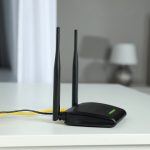


As smart homes become increasingly connected, home network security is more critical than ever. From smart TVs and IoT devices to laptops and mobile devices, every connection is a potential entry point for cyber threats. The future of home network security is focused on proactive protection, intelligent monitoring, and advanced technologies to safeguard personal data and maintain privacy.
This guide explores trends, emerging technologies, and best practices for future-proofing your home network security.
Step 1: The Rise of Smart Homes and IoT
- Modern homes are packed with smart devices: security cameras, thermostats, lights, and appliances.
- Each connected device expands the network attack surface.
- The future will see automated security protocols embedded directly in IoT devices, reducing the risk of vulnerabilities.
Tip: Always prioritize devices with built-in security features and regular firmware updates.
Step 2: Advanced Router Security
- Routers are the first line of defense in a home network.
- Next-generation routers will offer:
- AI-driven threat detection
- Automatic firmware updates
- Built-in firewall and malware protection
- Routers will proactively identify and block suspicious traffic from both inside and outside the home network.
Tip: Investing in a smart, secure router is key for protecting all connected devices.
Step 3: AI and Machine Learning for Threat Detection
- AI can monitor network traffic in real-time, identifying anomalies that indicate hacking attempts.
- Machine learning algorithms will adapt to new threats faster than traditional security systems.
- Examples:
- Detecting unusual device behavior
- Identifying phishing attempts or malware
- Predicting potential attacks before they occur
Tip: AI-driven security makes networks smarter, faster, and more adaptive.
Step 4: Enhanced Encryption and Authentication
- Encryption will continue to evolve to protect data in transit and at rest.
- Future standards:
- Quantum-resistant encryption to withstand future computing advances
- Stronger WiFi security protocols like WPA4
- Multi-factor authentication (MFA) will become standard across home networks, not just online accounts.
Tip: Secure connections and MFA reduce the chance of unauthorized access.
Step 5: Zero-Trust Network Architecture
- Traditional home networks trust devices by default once connected.
- Zero-trust architecture will require:
- Continuous verification of devices
- Limited access based on roles or device type
- Benefits: Even if a device is compromised, it cannot access the entire network.
Tip: Future homes will prioritize least-privilege access to minimize breaches.
Step 6: Cloud-Based Network Security
- Cloud services provide remote monitoring, threat detection, and centralized control.
- Future networks may use cloud AI to:
- Detect anomalies across multiple homes
- Automatically apply security patches
- Provide real-time alerts on device or network vulnerabilities
Tip: Cloud-based security allows for proactive protection and easier management.
Step 7: IoT Device Security Standards
- Industry standards will enforce security compliance for smart home devices.
- Features will include:
- Secure boot
- Automatic patching
- Device authentication with the network
- Consumers can verify device safety before purchase, reducing vulnerabilities.
Tip: Choose devices certified for secure home networks.
Step 8: Network Monitoring and Alerts
- Future home networks will offer real-time dashboards showing:
- Device activity
- Suspicious connections
- Bandwidth usage anomalies
- Alerts can be sent via smartphone apps, emails, or voice assistants.
Tip: Continuous monitoring allows homeowners to respond immediately to threats.
Step 9: Privacy Protection and Data Isolation
- Smart homes generate personal data, including video feeds, location, and usage patterns.
- Future networks will focus on:
- Data isolation for sensitive devices
- Encrypted storage and transmission
- Minimal collection and retention of personal data
Tip: Protecting privacy is as important as protecting devices.
Step 10: Automated Updates and Threat Intelligence
- Future security systems will apply automatic updates to routers, firewalls, and connected devices.
- Threat intelligence databases will continuously analyze new malware and attacks, providing instant protection.
- This reduces manual intervention and keeps home networks up-to-date against evolving threats.
Tip: Automated updates are essential for future-proof network security.
Step 11: AI-Powered Parental Controls
- Advanced parental controls will leverage AI to:
- Monitor children’s online activity
- Block unsafe websites or apps
- Limit screen time intelligently based on usage patterns
Tip: AI helps families maintain safe online environments without constant supervision.
Step 12: Preparing for Future Threats
- Emerging technologies like quantum computing may require new security protocols.
- Expect future networks to adopt:
- Quantum-resistant encryption
- Advanced intrusion detection systems
- Proactive monitoring for unknown threats
Tip: Staying informed and upgrading devices proactively ensures long-term network safety.
Conclusion
The future of home network security will focus on intelligence, automation, and adaptability. Key trends include:
- AI and machine learning for real-time threat detection
- Zero-trust network architecture to limit device access
- Cloud-based monitoring and automated updates
- Advanced encryption and IoT security standards
- Proactive privacy protection and parental controls
By embracing these future-ready security practices and technologies, homeowners can ensure their networks remain safe, reliable, and protected against emerging cyber threats, allowing them to enjoy a fully connected smart home with peace of mind.