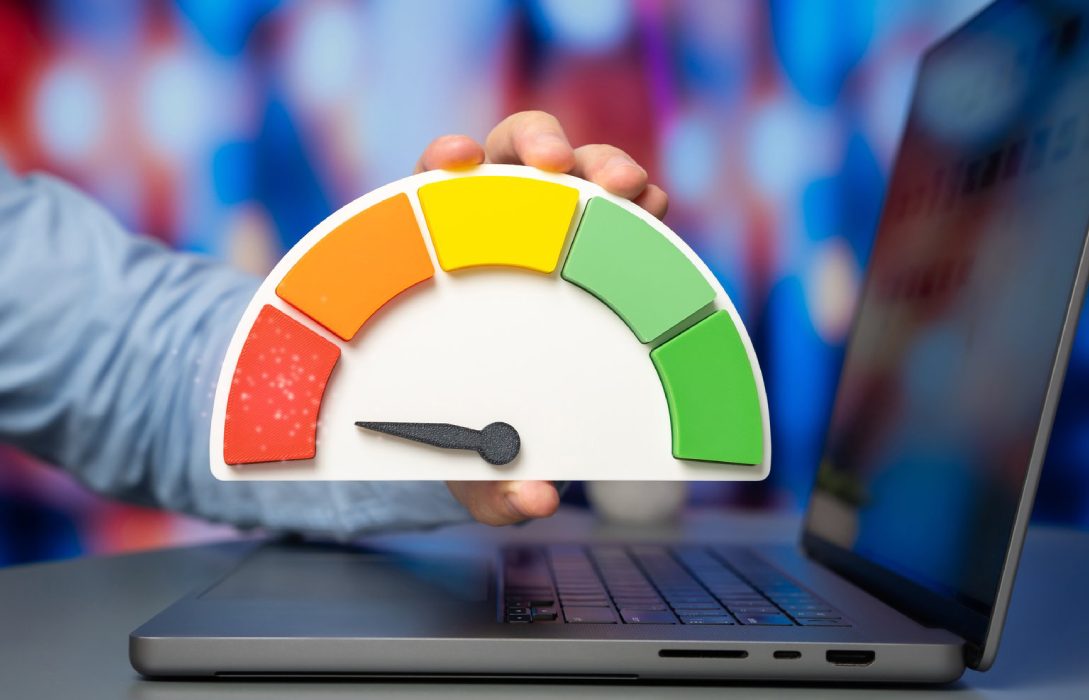
In today’s connected world, the term internet speed is one of the most commonly discussed topics among users, businesses, and service providers. But what exactly does internet speed mean, and why does it matter so much for your daily online experience? Whether you’re streaming movies, attending virtual meetings, playing online games, or simply browsing social media, your internet speed plays a crucial role in determining how seamless and efficient your digital activities will be.
Understanding Internet Speed
At its core, internet speed refers to the rate at which data is transferred between the internet and your device. It is usually measured in megabits per second (Mbps) or gigabits per second (Gbps). The higher the number, the faster the data can travel. In practical terms, a faster internet speed means web pages load quickly, videos stream smoothly, and downloads complete in less time.
However, internet speed is not a single, absolute number—it is influenced by a variety of factors, including your internet plan, type of connection, network congestion, and even the devices you use. Understanding internet speed involves looking at download speed, upload speed, and latency, all of which contribute to your overall online experience.
Download Speed
Download speed is the rate at which data is delivered from the internet to your device. This affects activities such as:
- Streaming videos and music
- Loading web pages
- Downloading files or applications
For example, if you are streaming a 4K movie on Netflix, a slow download speed can cause buffering, interruptions, and lower video quality.
Upload Speed
Upload speed is the rate at which data is sent from your device to the internet. It is particularly important for:
- Video conferencing
- Uploading files to cloud storage
- Online gaming interactions
- Content creation and streaming
Many users overlook upload speed, assuming that only download speed matters. However, in an age where remote work and content sharing are prevalent, upload speed is just as critical.
Latency and Ping
Latency, often measured as ping, is the time it takes for a data packet to travel from your device to the server and back. Even with high download and upload speeds, high latency can cause noticeable delays in activities like online gaming or live video calls. Therefore, a low-latency connection is essential for real-time applications.
Why Internet Speed Matters
The importance of internet speed extends far beyond convenience. It affects productivity, entertainment, communication, and even security. Here’s how:
1. Productivity and Remote Work
In the modern workplace, many professionals rely on cloud-based tools and video conferencing. A slow internet connection can lead to dropped calls, delayed file uploads, and frustrating lag in collaboration tools. For businesses, this can result in lost time, reduced efficiency, and decreased employee satisfaction.
2. Streaming and Entertainment
From Netflix and YouTube to Spotify and online gaming, streaming high-quality media requires a stable and fast internet connection. Internet speed directly influences video resolution, buffering, and overall viewing experience. Without adequate speed, users may face constant interruptions and reduced media quality.
3. Online Learning and Education
The rise of online courses and virtual classrooms has made reliable internet essential for education. Slow connections can disrupt lessons, prevent participation in live discussions, and hinder access to educational resources, impacting learning outcomes.
4. Gaming and Interactive Applications
For gamers, internet speed and latency can mean the difference between victory and defeat. Online multiplayer games demand fast, stable connections to reduce lag and ensure responsive gameplay. Even a few milliseconds of delay can negatively impact performance.
5. Smart Homes and IoT Devices
Modern homes increasingly rely on smart devices, from security cameras to smart thermostats. These devices often require continuous data transfer to function properly. Inadequate internet speed can compromise device performance, security, and responsiveness.
Factors Affecting Internet Speed
Several factors influence your actual internet speed:
- Type of Connection – Fiber, cable, DSL, satellite, and 5G networks offer different speed capabilities.
- Network Congestion – More users on the same network can slow down internet performance.
- Router Quality and Placement – Old routers or poor placement can reduce speed and coverage.
- Device Performance – Older computers or smartphones may not handle high-speed data efficiently.
- Distance from ISP Servers – The further you are from your service provider’s infrastructure, the slower your connection may be.
Choosing the Right Internet Speed
The ideal internet speed depends on your usage. Basic browsing and email may only require 5–10 Mbps, whereas HD streaming might need 25 Mbps or higher. For households with multiple users, smart devices, and high-definition media streaming, speeds of 100 Mbps or more are often recommended.
Tips to Ensure Optimal Speed
- Use a wired connection whenever possible for higher stability.
- Place your WiFi router centrally in the home to avoid dead zones.
- Limit simultaneous heavy usage on multiple devices.
- Regularly update your router firmware for performance improvements.
- Monitor your internet speed periodically to detect issues early.
Conclusion
Internet speed is not just a number; it is a fundamental component of modern digital life. It affects how we work, learn, play, and communicate. By understanding internet speed, including download and upload rates, latency, and the factors that influence it, users can make informed choices about their internet plans and network setup. In a world increasingly dependent on fast and reliable connectivity, knowing and optimizing your internet speed is more important than ever.