
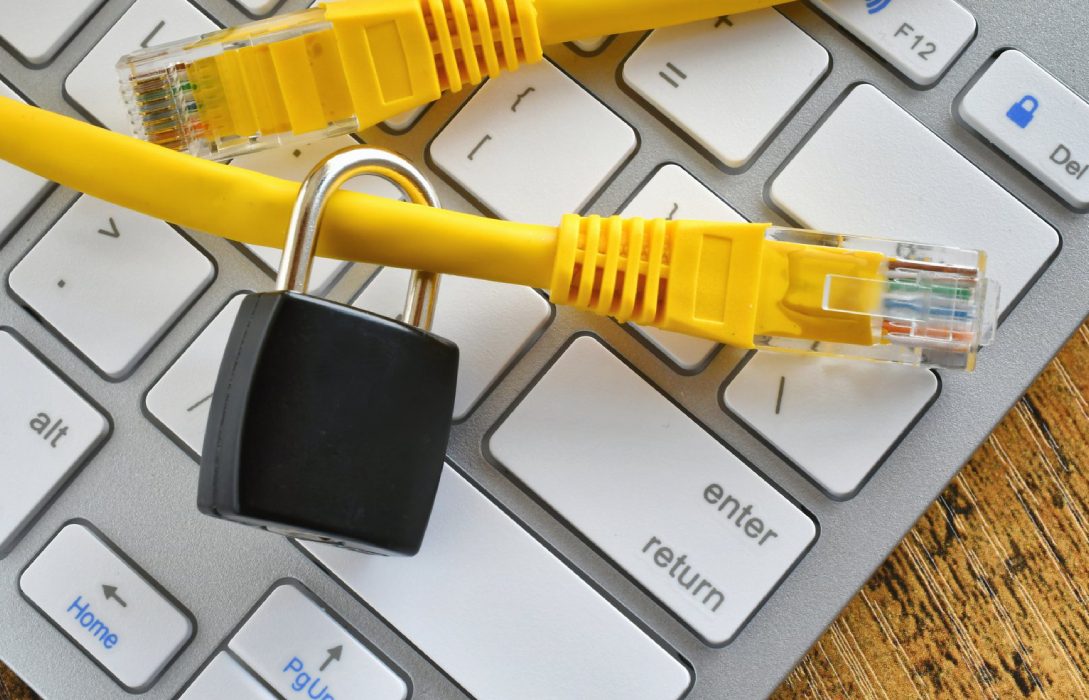
In today’s digital world, security is a top concern for both individuals and businesses. From sensitive personal data to critical business information, a secure internet connection is essential. Fiber internet, known for its high speed and reliability, also offers significant security advantages over other internet types. This article explores the key security benefits of fiber internet and why it is a safer choice for modern users.
Why Internet Security Matters
Every device connected to the internet is vulnerable to threats such as:
- Data breaches and theft of sensitive information
- Malware and ransomware attacks
- Unauthorized access to networks or devices
- Phishing and identity theft
A secure internet connection protects users from these risks, ensuring confidentiality, integrity, and availability of data. Fiber internet inherently reduces many common security risks.
Key Security Advantages of Fiber Internet
1. Harder to Intercept
Fiber internet transmits data as pulses of light through fiber-optic cables, unlike copper-based networks that use electrical signals. This makes fiber:
- Extremely difficult to tap or intercept without detection
- Safer against man-in-the-middle attacks
- More secure for transmitting sensitive data, financial transactions, and confidential communications
This physical security gives fiber a natural advantage over DSL, cable, and satellite networks.
2. Reduced Risk of Hacking
Fiber networks are more secure against common cyberattacks:
- Encryption-friendly infrastructure allows robust end-to-end encryption
- Lower electromagnetic interference reduces the risk of signal interception
- Dedicated lines for businesses minimize exposure to external threats
This makes fiber ideal for remote work, cloud computing, and online transactions.
3. Symmetrical Speeds for Secure Uploads
Fiber often provides symmetrical upload and download speeds, which is crucial for:
- Securely uploading large files to the cloud
- Backing up sensitive data without delays
- Maintaining encrypted communications in real time
Faster uploads mean secure data transfer happens quickly, reducing exposure time to potential threats.
4. Reliable and Stable Connection
Security isn’t just about encryption—it’s also about network reliability:
- Fiber is resistant to weather, interference, and signal degradation
- Stable connections reduce the risk of vulnerabilities caused by sudden disconnections
- Businesses can maintain continuous access to security monitoring tools
A reliable network ensures that security protocols function effectively at all times.
5. Ideal for Business and Enterprise Security
Fiber internet is particularly advantageous for businesses:
- VPN Support: Enables secure remote access for employees
- Encrypted Cloud Services: Fast upload speeds allow encrypted backups
- Firewall Integration: High-speed fiber can handle advanced firewall and security systems without performance drops
- Redundant Network Paths: Ensures uninterrupted secure connections for critical operations
These features make fiber internet a foundation for enterprise-grade cybersecurity.
6. Secure Remote Work
With remote work becoming the norm, fiber internet provides:
- Consistent VPN performance for secure connections
- Secure video conferencing with minimal risk of data leaks
- Safe access to company servers and cloud platforms
- Low latency for real-time collaboration, ensuring secure communication
Fiber internet protects businesses and employees from common vulnerabilities associated with slower or less secure connections.
7. Enhanced Protection Against Cyber Threats
Fiber networks support modern cybersecurity solutions:
- Intrusion detection and prevention systems
- Secure remote monitoring
- Real-time alerts and traffic monitoring
High-speed fiber ensures these security systems can operate efficiently without slowing down network performance.
8. Future-Proof Security
Fiber internet is well-positioned to handle future cybersecurity challenges:
- Increasing data loads require robust, high-speed secure connections
- Fiber can integrate with quantum-safe encryption methods
- Scalable infrastructure allows upgrades in security protocols without major changes to the network
Choosing fiber today means building a secure foundation for tomorrow’s digital threats.
Fiber vs Other Internet Types for Security
| Internet Type | Security Risk | Notes |
|---|---|---|
| Fiber Internet | Low | Harder to tap, low interference, stable |
| Cable Internet | Medium | Shared lines increase exposure risk |
| DSL Internet | Medium-High | Copper-based, easier to intercept |
| Satellite Internet | High | Signals transmitted through the air, susceptible to interception |
Fiber internet consistently offers superior security compared to other connection types.
Conclusion
Fiber internet is not only about speed and reliability; it also provides significant security advantages. From its resistance to interception and hacking to support for secure remote work, cloud backups, and enterprise-grade cybersecurity, fiber offers a safer and more future-proof internet experience.
For individuals, families, and businesses that prioritize confidentiality, integrity, and data protection, fiber internet is the smart, secure choice in an increasingly connected world.