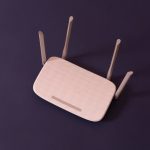

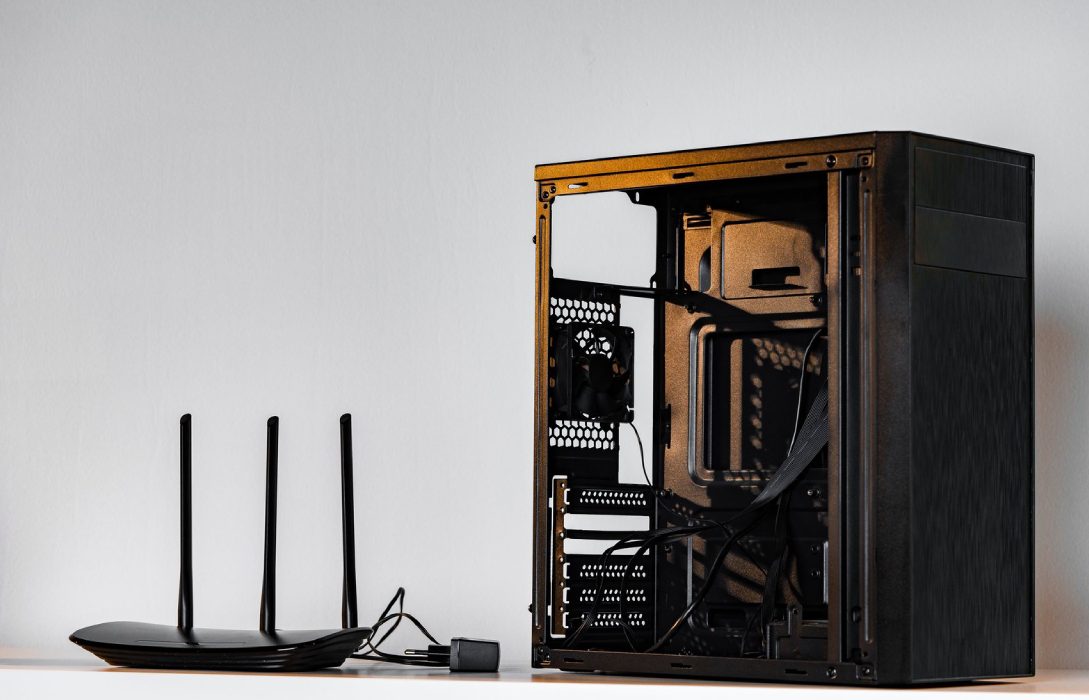
A high-speed internet connection alone is not enough for optimal gaming. Your router setup plays a crucial role in ensuring low latency, stable connections, and smooth online gameplay. A properly configured gaming router can reduce lag, prioritize traffic, and enhance overall performance.
This guide will walk you through selecting, setting up, and optimizing your gaming router for the best experience.
Step 1: Choosing the Right Router
Before setup, you need a router that supports gaming:
- WiFi Standard: Look for WiFi 6 (802.11ax) or WiFi 7 (802.11be) for faster speeds and lower latency
- Dual-Band or Tri-Band: Tri-band routers handle multiple devices better, reducing congestion
- QoS (Quality of Service): Lets you prioritize gaming traffic over other network activity
- MU-MIMO and Beamforming: Ensures multiple devices maintain strong connections simultaneously
Tip: Investing in a gaming router ensures your setup is future-proof and optimized.
Step 2: Router Placement for Gaming
- Place your router centrally in your home for even coverage
- Keep it off the floor, away from walls, metal objects, and microwaves
- Avoid interference from other electronics or large objects
- If using a wired connection, position the router near your gaming setup
Tip: Proper placement reduces latency and improves WiFi signal strength.
Step 3: Basic Router Setup
- Connect the Router: Plug into your modem using an Ethernet cable
- Access the Admin Panel: Typically via 192.168.x.x or through the router’s app
- Change Default Passwords: Prevent unauthorized access
- Update Firmware: Ensures latest features, stability, and security
- Configure WiFi Settings: Use a unique SSID and strong password
Tip: Secure your router first to protect your gaming devices from hackers and intrusions.
Step 4: Enabling Gaming Features
- Quality of Service (QoS):
- Prioritize gaming traffic
- Some routers allow per-device prioritization
- Port Forwarding:
- Open necessary ports for your games to reduce NAT issues
- Commonly required for multiplayer or peer-to-peer connections
- DMZ (Demilitarized Zone):
- Place gaming console or PC in DMZ for unrestricted access if necessary
- Static IP Address:
- Assign a fixed IP to your gaming device for better QoS and port forwarding
Tip: Gaming features optimize traffic and reduce lag during peak usage.
Step 5: Wired vs Wireless Gaming
- Ethernet (Wired):
- Provides the lowest latency and packet loss
- Recommended for competitive gaming
- WiFi (Wireless):
- Convenient but prone to interference and signal drops
- WiFi 6 and WiFi 7 improve stability and speed
Tip: Always use wired connections for competitive gaming, and optimize WiFi for casual use.
Step 6: Network Optimization Tips
- Reduce Background Traffic: Pause downloads, updates, or streaming while gaming
- Channel Selection: Choose the least congested WiFi channel to reduce interference
- Mesh Network: Use if your home has dead zones or multiple floors
- Regular Speed Tests: Ensure your network delivers the promised ISP speed
Tip: Small tweaks to your network can significantly improve gaming performance.
Step 7: Security Considerations
- Enable WPA3 Encryption: Strongest WiFi security standard
- Disable WPS: Vulnerable to attacks
- Firewall Configuration: Protects against unwanted incoming traffic
- Firmware Updates: Fixes vulnerabilities and maintains performance
Tip: A secure router ensures gaming devices remain safe from malware or hackers.
Step 8: Gaming Router Apps and Management
- Many modern routers offer apps to:
- Monitor device connections
- Prioritize gaming traffic
- Run network speed and latency tests
- Schedule updates or restarts
Tip: Using a router app gives real-time control and insights to maintain smooth gameplay.
Step 9: Troubleshooting Router Issues
- High Ping: Check for congestion or switch to wired connection
- Packet Loss: Reboot router, check cables, update firmware
- WiFi Drops: Reposition router or reduce interference
- Slow Speeds: Verify ISP plan, optimize router settings, and test at different times
Tip: Regular maintenance keeps your gaming network stable and efficient.
Conclusion
Setting up a gaming router correctly can dramatically enhance your online gaming experience. By choosing the right hardware, configuring QoS and port forwarding, optimizing placement, and securing your network, you can reduce latency, avoid connection drops, and enjoy seamless gameplay.
Investing time in router setup and optimization ensures your home network is ready for casual, competitive, and streaming-focused gaming for years to come.