For gamers, latency is often more important than raw download speed. Low latency ensures that your actions in a game are registered instantly, creating smooth gameplay and reducing lag. In competitive or fast-paced games, milliseconds matter, making understanding and achieving low latency crucial.
This guide explains what latency is, why it matters, and how to optimize your internet for low-latency gaming.
Step 1: Understanding Latency
- Latency (Ping): The time it takes for data to travel from your device to the game server and back
- Measured in milliseconds (ms)
- High latency causes lag, stuttering, and delayed actions, negatively impacting gameplay
- Low latency ensures real-time interaction, especially important in FPS, battle royale, and competitive esports
Tip: Even with high download speeds, high latency can ruin your gaming experience.
Step 2: Factors Affecting Latency
- Internet Connection Type:
- Fiber: Extremely low latency (~1–30 ms)
- Cable: Moderate latency (~10–50 ms)
- DSL: Higher latency (~30–70 ms)
- Satellite: Very high latency (~500–800 ms)
- Distance to Server: Greater distance increases ping
- Network Congestion: Multiple users or heavy traffic can increase latency
- Router Quality: Older routers may struggle with high-speed, low-latency traffic
- ISP Routing: Poor routing paths increase travel time for data packets
Tip: Fiber connections near game servers provide the best low-latency performance.
Step 3: Ideal Latency for Gaming
| Type of Game | Ideal Ping | Acceptable Ping | Poor Ping |
|---|---|---|---|
| Competitive FPS | <30 ms | 30–50 ms | >100 ms |
| Multiplayer MOBAs | <50 ms | 50–70 ms | >100 ms |
| Casual Online Games | <100 ms | 100–150 ms | >150 ms |
| Cloud Gaming | <20 ms | 20–40 ms | >50 ms |
Tip: Competitive gamers should prioritize low latency over extremely high download speeds.
Step 4: Reducing Latency
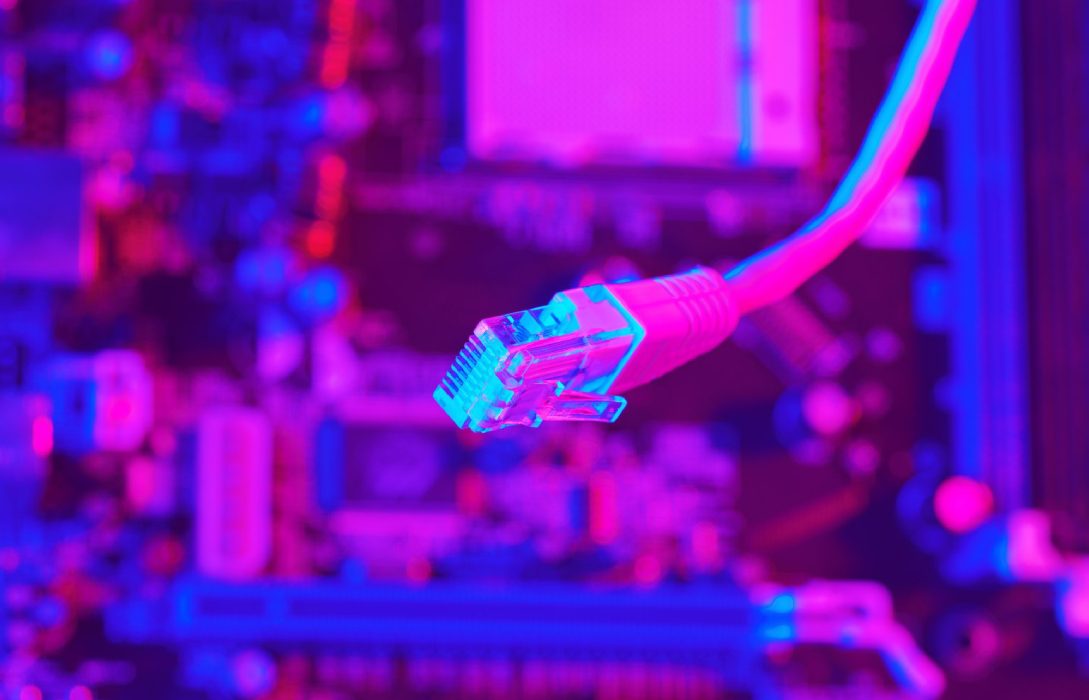
- Use a Wired Connection: Ethernet provides consistent speed and lower ping compared to WiFi
- Choose Nearby Game Servers: Reduce the physical distance data must travel
- Enable QoS (Quality of Service): Prioritize gaming traffic on your router
- Limit Background Traffic: Pause downloads, streaming, or other high-bandwidth activities
- Upgrade Your Router: Modern routers with advanced hardware reduce packet delays
Tip: Even small optimizations can reduce ping significantly in competitive games.
Step 5: Router and Network Settings
- MU-MIMO: Ensures multiple devices do not cause interference
- Beamforming: Directs WiFi signal to your gaming device for stronger, stable connections
- DNS Optimization: Using fast DNS servers can slightly reduce latency
- Firmware Updates: Keep routers updated for optimal performance
Tip: Advanced router features are key to maintaining low-latency connections.
Step 6: Latency vs Download Speed
- High download speed ≠ low latency
- A 1 Gbps connection may still suffer lag if latency is high
- For competitive gaming, low latency is more important than high download speed
- Cloud gaming requires both high speed and ultra-low latency for smooth gameplay
Tip: Focus on both aspects, but prioritize latency for real-time responsiveness.
Step 7: Tools to Measure Latency
- Ping Test: Measures the round-trip time to a server
- Traceroute: Shows routing path and potential bottlenecks
- Online Speed Tests: Many provide ping, download, and upload measurements
- Game Server Ping: Most online games display real-time ping to servers
Tip: Regular testing helps identify latency issues and optimize your setup.
Step 8: Common Latency Problems
- High ping spikes during peak hours
- WiFi interference or weak signals
- Multiple devices consuming bandwidth simultaneously
- Outdated or overloaded routers
- Poor ISP routing or congested servers
Tip: Troubleshooting requires testing, optimizing, and sometimes upgrading your internet plan or hardware.
Step 9: Future of Low-Latency Gaming
- Fiber networks expanding to more regions
- 5G and 6G networks reducing latency for mobile and home gaming
- Edge computing and server optimization bring game servers closer to players
- AI-optimized routing ensures faster data packet travel
Tip: Investing in low-latency technology ensures future-proof competitive gaming performance.
Conclusion
Low-latency internet is the key to smooth and competitive gaming. Even the fastest download speeds cannot compensate for lag caused by high ping. By understanding latency, optimizing your network, using modern routers, and selecting the right connection type, you can enjoy real-time gameplay, minimal lag, and a superior gaming experience.
Whether you’re casual or competitive, low latency should always be a priority for online gaming.