
Accessing reliable internet in rural areas has historically been a challenge. Traditional broadband options like cable or fiber are often unavailable due to high infrastructure costs and low population density. Satellite internet has emerged as a practical solution for rural communities, providing connectivity where other options fall short.
In this guide, we’ll explore why satellite internet is ideal for rural areas, how it works, the advantages and disadvantages, and tips for maximizing performance in remote locations.
Why Rural Areas Struggle with Internet Access
1. Infrastructure Challenges
Laying cables or fiber to rural regions is expensive and labor-intensive. Sparse populations mean that providers may not see a profitable return on investment, leading to limited broadband coverage.
2. Geographic Barriers
Mountains, forests, deserts, and other remote terrains make installing traditional infrastructure difficult.
3. Limited Competition
Rural areas often have fewer internet service providers, which can result in higher prices and slower service due to lack of competition.
These challenges make satellite internet a highly attractive solution, as it doesn’t rely on physical infrastructure in the same way.
How Satellite Internet Serves Rural Areas
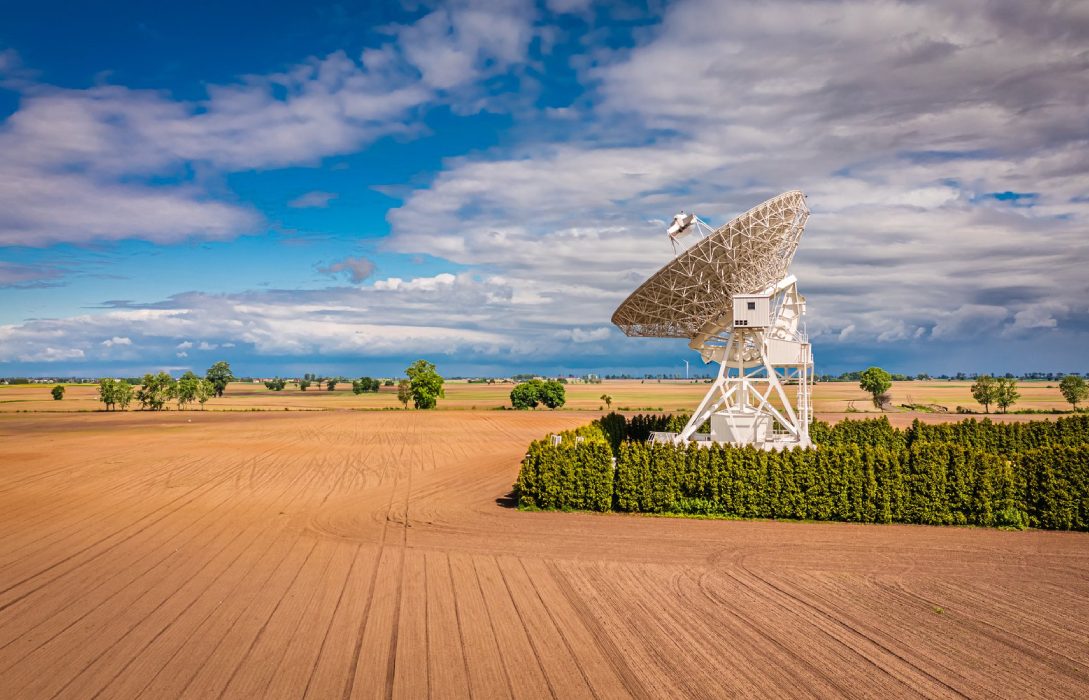
Satellite internet works by sending signals between a user’s satellite dish and orbiting satellites. It does not require fiber or cable, making it accessible in remote regions where other options are unavailable.
Key Components:
- Satellite Dish: Installed at the home or office to communicate with satellites.
- Modem/Router: Connects the dish to devices in the home or business.
- Satellite Network: LEO or GEO satellites relay data between your location and ground stations connected to the internet.
Modern LEO networks like Starlink have improved speeds and lowered latency, making satellite internet a viable option even for tasks like video conferencing and online gaming.
Advantages of Satellite Internet in Rural Areas
1. Widespread Accessibility
- Works in areas where cable and fiber cannot reach
- Provides coverage to isolated farms, villages, and small towns
2. Quick Deployment
- Installation is faster than laying miles of fiber or cable
- Some systems offer self-installation options
3. Reliable Remote Connectivity
- Enables work-from-home setups for rural residents
- Provides internet for telehealth, online education, and business operations
4. Supports Multiple Applications
- Streaming, video calls, gaming, and cloud-based services
- Even agricultural operations can leverage IoT and smart farming solutions
5. Bridges the Digital Divide
- Connects rural communities to essential services
- Enables access to government programs, e-learning, and online marketplaces
Limitations to Consider
1. Latency
- GEO satellites may have noticeable delay, affecting real-time applications
- LEO satellites reduce latency but require a larger constellation of satellites
2. Weather Sensitivity
- Heavy rain, storms, or snow can temporarily disrupt the signal
3. Data Limits
- Some satellite providers impose monthly data caps, though newer plans are increasing limits or offering unlimited data
4. Hardware Costs
- Initial setup may be higher than traditional broadband, including the dish, modem, and installation
Choosing the Right Satellite Internet Provider for Rural Areas
When selecting a provider, rural users should consider:
1. Coverage
- Confirm that the satellite network covers your specific location
- LEO networks like Starlink offer growing global coverage
2. Speed Requirements
- Light browsing and email: 10–25 Mbps may suffice
- Streaming and remote work: 50–150 Mbps recommended
- Gaming: Low-latency LEO networks are preferred
3. Data Plans
- Evaluate monthly caps and overage costs
- Unlimited plans are ideal for households with multiple users
4. Cost
- Compare subscription fees, hardware costs, and installation
- Some providers offer subsidies or rural connectivity programs
5. Reliability
- Check provider performance reviews, particularly during extreme weather
Practical Tips for Maximizing Satellite Internet in Rural Areas
1. Proper Dish Placement
- Place the dish in an unobstructed area with a clear view of the sky
- Avoid trees, buildings, and other obstacles that can block signals
2. Optimize Your Network
- Use a high-quality router
- Position WiFi access points strategically for full coverage
3. Manage Bandwidth Usage
- Prioritize essential applications
- Schedule downloads or updates during off-peak hours
4. Use LEO Satellites if Possible
- LEO networks offer lower latency and higher speeds, making streaming, gaming, and video calls smoother
5. Regular Equipment Maintenance
- Keep the dish clean and free from debris
- Ensure cables and connections are in good condition
Popular Satellite Providers for Rural Areas
| Provider | Type | Speed (Mbps) | Latency | Coverage |
|---|---|---|---|---|
| Starlink | LEO | 50–250 | 20–40 ms | Global |
| HughesNet | GEO | Up to 25 | 600–800 ms | U.S. & select regions |
| Viasat | GEO | 35–100 | 600–700 ms | U.S. & select regions |
| OneWeb | LEO | 50–200 | 30–50 ms | Remote regions & enterprise |
Starlink is increasingly preferred for rural users due to its speed and lower latency, while HughesNet and Viasat remain reliable options where LEO coverage is limited.
Use Cases in Rural Areas
1. Education
- Enables online learning, access to educational platforms, and virtual classrooms
2. Telehealth
- Connects patients in remote regions to doctors and medical services via video consultations
3. Agriculture
- Supports precision farming, IoT devices, and monitoring systems
4. Business Operations
- Small businesses in remote regions can communicate, process transactions, and manage logistics online
5. Entertainment
- Streaming, gaming, and social media become accessible to rural households
Conclusion
Satellite internet has transformed connectivity for rural areas, providing high-speed, reliable internet where traditional options are unavailable. While it has limitations like latency and weather sensitivity, modern satellite networks—especially LEO satellites like Starlink—offer fast speeds, low latency, and broad accessibility.
For rural users, satellite internet is more than just a convenience; it is a bridge to education, healthcare, business, and global connectivity. With proper planning, installation, and network management, rural households and businesses can enjoy internet access comparable to urban areas.