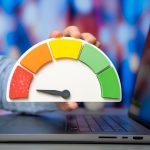


Network congestion occurs when too many devices or applications use your internet connection at the same time, leading to slow speeds, buffering, and latency. Reducing congestion ensures that your WiFi and wired connections remain fast and reliable, especially in busy households or offices.
1. Understand Network Congestion
- Happens when demand exceeds your bandwidth
- Causes: multiple devices streaming, downloading large files, or online gaming simultaneously
- Results in: slow downloads, buffering videos, poor video call quality, and lag in gaming
Identifying congestion is the first step toward fixing it.
2. Limit High-Bandwidth Activities
- Pause large downloads, cloud backups, or software updates during peak usage
- Stream videos in lower resolutions if multiple users are online
- Schedule heavy tasks like uploading files for off-peak hours
This prevents a few devices from monopolizing your bandwidth.
3. Prioritize Devices Using QoS (Quality of Service)
- Most modern routers support QoS settings
- Assign higher priority to critical devices (gaming consoles, PCs, smart TVs)
- Lower priority for less important devices (phones, smart appliances)
QoS ensures important applications run smoothly, even during peak usage.
4. Separate Networks
- Use guest networks for visitors to prevent bandwidth sharing
- If possible, dedicate one network for work or streaming
- Reduces congestion on your main network and keeps high-priority tasks uninterrupted
5. Upgrade Your Router or Network Equipment
- Older routers may struggle with multiple devices
- Mesh WiFi systems or dual-band routers can handle high device loads
- Modern routers support MU-MIMO for simultaneous device communication
6. Use Wired Connections for High-Demand Devices
- Ethernet connections are faster and more stable than WiFi
- Ideal for gaming, 4K streaming, or video conferencing
- Reduces load on your WiFi network, freeing bandwidth for other devices
7. Optimize WiFi Channels
- Interference from neighboring networks can slow your WiFi
- Switch to a less crowded channel using router settings
- Use the 5GHz band for faster speeds and reduced interference
8. Limit Background Applications
- Background apps can consume bandwidth without your knowledge
- Examples: cloud sync services, automatic updates, or smart home devices
- Disable or schedule these to reduce network congestion
9. Monitor Connected Devices
- Too many devices on your network can create bottlenecks
- Check router management tools for device usage
- Disconnect or restrict devices not actively in use
10. Upgrade Your Internet Plan
- If your household has many devices and high-demand activities, your plan may not provide enough bandwidth
- Consider a plan with higher download and upload speeds, preferably fiber-optic
- Ensures smooth performance even with multiple users
11. Time Your High-Bandwidth Tasks
- Perform large downloads or uploads during off-peak hours
- Streaming in HD or 4K when fewer users are online improves overall network speed
12. Use Network Management Tools
- Apps like NetBalancer, GlassWire, or your router’s management interface
- Monitor bandwidth usage, identify heavy users, and optimize traffic
- Helps prevent congestion before it becomes noticeable
Conclusion
Reducing network congestion is essential for maintaining fast, stable internet in busy homes and offices. Key strategies:
- Limit high-bandwidth activities during peak times
- Use QoS to prioritize devices and applications
- Separate networks and use wired connections for critical devices
- Upgrade router or plan if necessary
- Monitor and manage connected devices regularly
By addressing congestion, you ensure smooth streaming, gaming, video calls, and remote work for all devices on your network.
Visited 1 times, 1 visit(s) today