
A slow WiFi connection can be frustrating, whether you’re streaming movies, playing online games, or working from home. While upgrading your plan or router helps, there are simple tricks you can apply immediately to boost WiFi speed and improve reliability.
1. Place Your Router Strategically
- Central location: Ensures even coverage throughout your home
- Elevated position: Avoid floors and hidden corners
- Minimize obstacles: Keep away from thick walls, mirrors, and metal objects
Proper placement reduces interference and maximizes WiFi speed.
2. Use the Right WiFi Band
- 2.4GHz band: Longer range but slower speeds; good for older devices or distant rooms
- 5GHz band: Faster speed, shorter range; ideal for gaming, streaming, or high-speed devices
- WiFi 6/6E routers: Automatically manage multiple devices efficiently
Switching devices to the optimal band improves speed noticeably.
3. Limit Connected Devices
- Each device consumes bandwidth
- Disconnect idle devices or schedule high-demand tasks for off-peak hours
- Prioritize essential devices using Quality of Service (QoS) settings
4. Reduce Interference
- Microwaves, cordless phones, and baby monitors can interfere with WiFi signals
- Change your router channel through settings to avoid congestion from neighboring networks
- Mesh systems or dual-band routers reduce interference and maintain stable speeds
5. Restart Your Router Regularly
- Rebooting your router clears temporary memory issues and refreshes connections
- Recommended at least once a week for consistent speed
- Helps prevent slowdowns caused by long uptime
6. Keep Router Firmware Updated
- Router manufacturers release updates to fix bugs and improve performance
- Check your router settings or manufacturer app for firmware updates
- Ensures compatibility with the latest devices and protocols
7. Use Wired Connections for Critical Devices
- Ethernet connections provide consistent and faster speeds than WiFi
- Best for gaming, 4K streaming, or large file transfers
- Reduces latency and eliminates WiFi interference issues
8. Optimize Router Settings
- Change channel width and frequency for less crowded spectrum
- Enable beamforming if supported, which directs signals to devices
- Disable unused features like guest networks or WPS to free bandwidth
9. Consider WiFi Extenders or Mesh Systems
- Large homes or offices may have dead zones
- Mesh systems provide seamless coverage and maintain speed throughout
- Extenders can boost signal in weak areas but may slightly reduce maximum speed
10. Minimize Bandwidth Hogs
- Pause cloud backups, file downloads, or streaming while using WiFi for critical tasks
- Use apps like GlassWire or NetBalancer to monitor bandwidth consumption
- Ensures high-priority tasks get maximum speed
11. Upgrade Your Devices
- Older laptops, smartphones, or smart TVs may not support higher WiFi speeds
- Ensure devices support modern WiFi standards (WiFi 5, 6, or 7)
- Upgrading devices can dramatically improve connection performance
12. Secure Your Network
- Unauthorized users slow down your WiFi
- Use strong passwords and enable WPA3 encryption if supported
- Regularly check connected devices and remove unknown devices
13. Test and Adjust Regularly
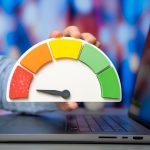
- Perform WiFi speed tests to identify weak areas or slowdowns
- Adjust router placement, channel, or band based on results
- Continuous monitoring ensures optimal performance
Conclusion
Boosting WiFi speed doesn’t always require buying new hardware. By optimizing placement, settings, and usage habits, you can significantly improve your network performance. Key takeaways:
- Place routers centrally and minimize interference
- Use the correct WiFi band for each device
- Limit unnecessary devices and bandwidth-hogging tasks
- Keep firmware updated and secure your network
These simple tricks ensure faster, more reliable WiFi for streaming, gaming, remote work, and daily browsing.
Visited 1 times, 1 visit(s) today